
info@tytgatfoundation.be
4, rue du Culot
B-1380 Lasne
Belgium

Tag: PRIZE WINNER

The 2020 Tytgat Foundation Prize was attributed to Prof. Dr Constantinescu for his remarkable work

Prof. Stefan Constantinescu, researcher at the de Duve Institute of UCLouvain, has received the Alexandre and Gaston Tytgat Foundation Prize. This important prize is awarded every three years to French- and Flemish-speaking researchers in support of their cancer research.

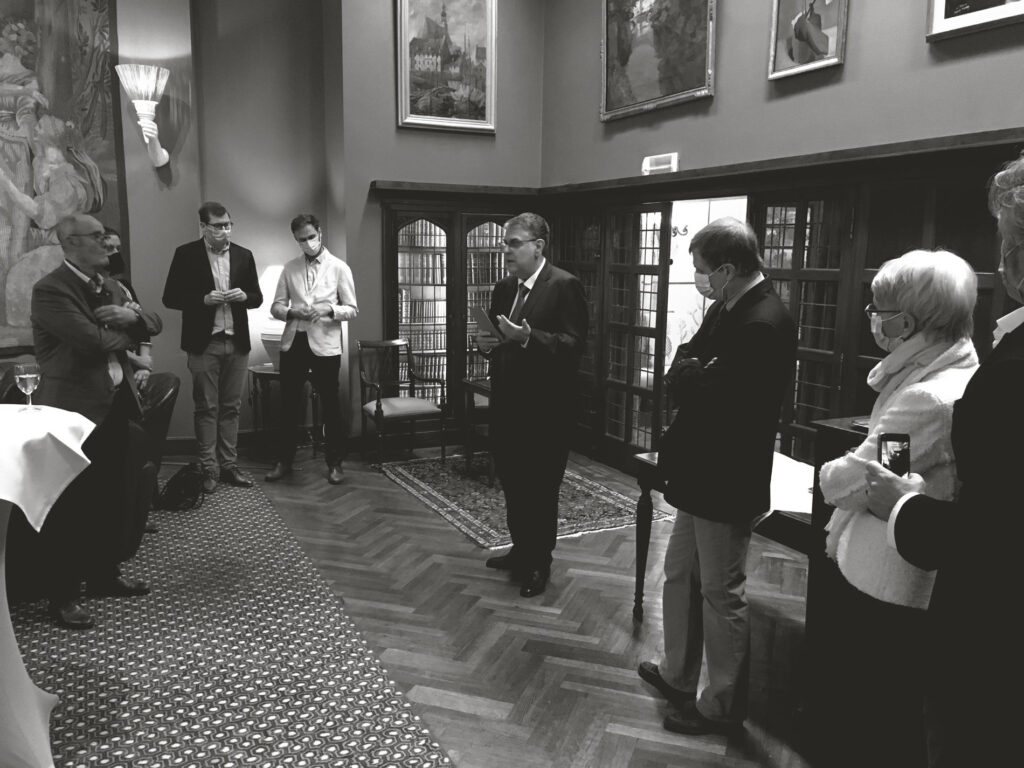
On November 27, Stefan Constantinescu, professor at the Faculty of Medicine and Dentistry of UCLouvain and researcher at the de Duve Institute and at the Ludwig Institute for Cancer Research Brussels, received the 15th Alexandre and Gaston Tytgat Foundation Prize amounting to €25,000. This national prize is intended to support cancer research.
Plasma membrane receptors for cytokines in myeloproliferative disease

“Every day, explains Prof. Constantinescu on the Clap for Research website of the de Duve Institute, our body produces hundreds of billions of blood cells that carry oxygen to the tissues, protect us from infections and allow blood clotting in case of injury. All of these cells are formed from a blood stem cell (‘hematopoietic’) via a process called differentiation.” Prof. Constantinescu’s laboratory has identified acquired genetic mutations that cause the overproduction of some of these blood cells in a chronic way and can lead to a very serious blood cancer called ‘secondary acute myeloid leukemia’.

Common cancers

“We have identified as targets of these genetic anomalies, continues the researcher, proteins expressed by stem cells that are intimately involved in the development of chronic blood cancers, called myeloproliferative neoplasms or MPNs. These cancers are common in the elderly (1 in 5,000 individuals).” NMPs are diseases that can cause abdominal and cerebral thrombosis (blood clot blocking blood vessels), or even myocardial infarction (although the primary cause is hematologic).

For the Tytgat Prize winner, it is essential to detect myeloproliferative neoplasms (MPNs) as early as possible in order to treat them effectively before their possible evolution into secondary acute myeloid leukemia.

Blocking these target proteins

“In our laboratory, we want to block these target proteins that are present on the surface of cells like antennae, and thus prevent the development of these chronic blood cancers.” To do this, the researchers are analyzing the structure of these proteins at the atomic level (10-10 m) to develop a mechanism that will block their activities. The technique used consists of measuring the exchange between hydrogen atoms naturally present in the protein and deuterium atoms that can replace the hydrogen atoms but only in accessible areas of the protein. “This technique allows us to understand the functioning of these proteins in detail and to identify accessible, and therefore vulnerable, areas that could be targeted to reduce their activities. It also allows us to understand how mutant proteins interact with these ‘antenna’ proteins causing the overproduction of blood cells.”

Towards a mapping

Nicolas Papadopoulos, a PhD student in the laboratory, has already succeeded in mapping the contact areas between one of the main mutant proteins causing NMPs and these ‘antenna’ proteins. This mapping can then be used to develop specific treatments to block this pathological interaction and thus prevent the development of NMPs. To establish and develop this high-tech approach for hematological targets, the laboratory is working with Didier Vertommen, who leads the mass spectrometry platform at the de Duve Institute.

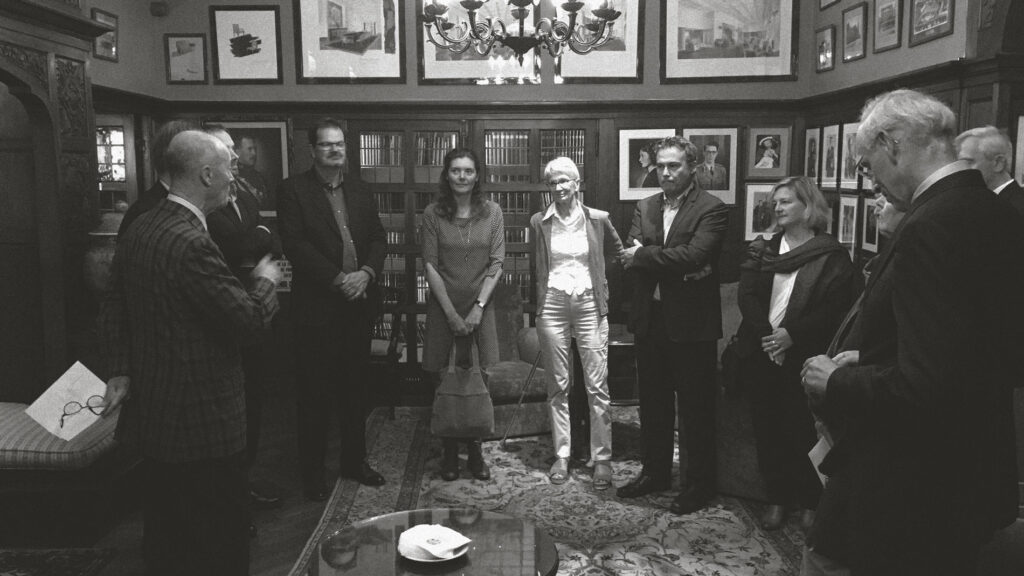
The 2017 Tytgat Foundation Prize was attributed to Olivier Feron for Pioneering Research on Tumor Metabolism

The Alexandre and Gaston Tytgat Foundation is proud to recognize Professor Olivier Feron for his groundbreaking research on the complex interplay between tumors and their surrounding microenvironment. His work sheds light on how factors such as acidity, oxygen levels, and nutrient availability influence cancer cell metabolism — and, in turn, how these metabolic adaptations reshape the tumor niche itself.

By studying this bidirectional relationship, Feron and his team have revealed mechanisms by which tumor cells survive in hostile conditions, evade therapies, and gain metastatic potential. Their research demonstrates that cancer cells can shift their energy production pathways toward alternative fuels, such as glutamine or fatty acids, depending on the microenvironmental context. Conversely, these metabolic changes can alter the surrounding tissue, influencing oxygen distribution, pH, and immune cell behavior.

Using a combination of cellular, molecular, and in vivo approaches, Professor Feron’s work identifies key signals and pathways that drive this dynamic crosstalk, offering promising targets for novel therapeutic strategies. His findings not only advance fundamental understanding of tumor biology but also highlight potential interventions to disrupt tumor progression and improve patient outcomes.

Through this award, the Tytgat Foundation honors a study that exemplifies scientific rigor, innovation, and the pursuit of knowledge with a direct impact on the fight against cancer.

Key Insights from Olivier Feron’s Research

  • Olivier Feron is Full Professor at UCLouvain, heading the Cancer Translational Research Lab at IREC. 
  • His research group studies how tumor microenvironment (TME) features like hypoxia (low oxygen) and acidosis (low pH) influence cancer cell metabolism. 
  • Under acidic conditions, cancer cells adapt by shifting their metabolism away from glucose toward glutamine and fatty acids
  • The lab has shown that this metabolic reprogramming helps cells survive in hostile microenvironments and may contribute to metastasis.
  • They identified TGF-β2 as a key trigger that drives both lipid storage (in the form of lipid droplets) and invasive behavior in tumor cells under acidic stress. 
  • Feron’s group also works on developing new therapeutic strategies: they screen for chemical compounds that can target tumor metabolism and potentially stimulate antitumor immunity.
  • Another exciting area: they explore how the immuno-metabolic environment of tumors contributes to ferroptosis resistance — cancer cells reprogram their metabolism and immune interactions to avoid this type of cell death.
  • In a recent discovery, his team found that in very acidic tumor regions, very aggressive cancer cells rely heavily on omega-3 fatty acids. This could open the door to repurposing drugs (initially developed for metabolic diseases like obesity) for cancer therapy. 

Tytgat Foundation Awards Prof. Chris Marine the 2014 Prize for Groundbreaking Cancer Researchking Cancer Research in 2014

Prof. Chris Marine has been recognized with the 2014 Tytgat Foundation Award for his pioneering work on p53 biology and cancer therapy. His research explores how tumor suppressor loss, particularly of p53, creates vulnerabilities in cancer cells that can be exploited via synthetic lethal interactions and targeted microRNA therapies — opening promising avenues for selective, tumor-specific treatments.

From p53 Biology to Cancer Therapy: Prof. Chris Marine’s Award-Winning Research

The Alexandre and Gaston Tytgat Foundation is proud to recognize Prof. Dr. Chris Marine for his groundbreaking work on p53 biology and its implications for cancer therapy. His research addresses a critical challenge in oncology: while therapies targeting activated oncogenes, such as Bcr-Abl or BRAFV600E, have shown spectacular results, strategies to address loss-of-function mutations in tumor suppressor genes, like p53, remain far more complex, as “reactivating” a mutated gene is extremely difficult.

To overcome this challenge, Prof. Marine’s laboratory focuses on synthetic lethal interactions — identifying genes that, when inhibited, are selectively toxic to cells lacking a functional tumor suppressor. This approach promises a broad-spectrum, tumor-cell-specific therapy, as it exploits vulnerabilities present only in cancer cells with specific genetic defects.

In a recent landmark study, the Marine Lab demonstrated that loss of Dicer1, a central enzyme in microRNA processing, is synthetically lethal with p53 inactivation in retinoblastoma models. Importantly, they identified the miR-17~92 microRNA cluster, whose processing requires Dicer1, as a key mediator of this effect. These findings suggest that targeting specific microRNAs, such as miR-17/20a, could provide a highly selective therapeutic approach for tumors lacking functional p53 — opening the door to treatments that are potentially effective across a wide range of cancers while sparing healthy cells.

Beyond the mechanistic discoveries, the Marine Lab is exploring innovative strategies to deliver microRNA-targeted therapies, such as intraocular delivery in retinoblastoma, highlighting the translational potential of this research. His work exemplifies how deep molecular understanding can translate into novel therapeutic avenues, combining rigorous science with tangible hope for patients.

Through this award, the Tytgat Foundation honors Prof. Marine’s work not only for its scientific rigor but also for its potential to transform cancer therapy by turning foundational knowledge of tumor biology into actionable strategies that could benefit patients worldwide.